

Peugeot iOn
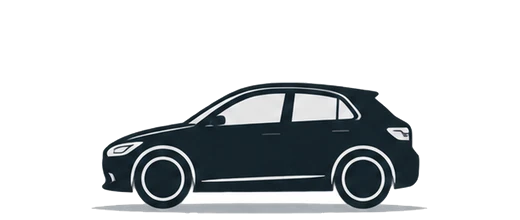
2010 - present · hatchback
Produced
2010 - present
Versions
3
Engines
1
Power
35 - 49 kW
(48 - 67 hp)
Engines
Which Peugeot iOn engines are the safer choice and which need attention.
Main Peugeot iOn problems
Sorted by risk. Open one to see what to check.
Body styles
All versions (3)
| Version | Fuel | Power (kW / hp) | Displacement | Drive | Produced | Engine | Risk |
|---|---|---|---|---|---|---|---|
| Elektro | Electric | 35 / 48 | - | RWD | 2010 - present | Y4F1 | |
| Elektro | Electric | 47 / 64 | - | RWD | 2010 - present | Y4F1 | |
| Elektro | Electric | 49 / 67 | - | RWD | 2011 - present | Y4F1 |
-
Elektro Medium risk
- Fuel
- Electric
- Power
- 35 kW
- Displacement
- -
- Drive
- RWD
- Produced
- 2010 - present
- Engine
- Y4F1
-
Elektro Medium risk
- Fuel
- Electric
- Power
- 47 kW
- Displacement
- -
- Drive
- RWD
- Produced
- 2010 - present
- Engine
- Y4F1
-
Elektro Medium risk
- Fuel
- Electric
- Power
- 49 kW
- Displacement
- -
- Drive
- RWD
- Produced
- 2011 - present
- Engine
- Y4F1
Frequently asked questions about Peugeot iOn
Is the Peugeot iOn a reliable car?
All engines of this generation have known problems, so a careful inspection before buying matters.
What are the most common Peugeot iOn defects?
Most often described problems: Electric car: High voltage battery wear; Electric car: 12 V battery and charging hardware.
What to check when buying a Peugeot iOn?
Ask for a battery health (SOH) report from a scan tool and compare range with the new car figures. Test the 12 V battery and charge both from a home socket and a fast charger.