

Toyota Yaris P9
2005 - 2014 · sedan, hatchback
Produced
2005 - 2014
Versions
13
Engines
7
2 high risk
Power
51 - 98 kW
(69 - 133 hp)
Engines
Which Toyota Yaris P9 engines are the safer choice and which need attention.
-
2NZ-FEMedium risk
1.3 l petrol
Popular versions
1.3 (NCP92_, NCP92R), 1.3 (NCP92_, SCP92_, NCP92R), 1.3 4WD (NCP95)
2 medium-risk problems
-
2SZ-FEHigh risk
1.3 l petrol
Popular versions
1.3 (NCP92_, SCP92_, NCP92R), 1.3 VVT-i (NCP90_, NCP90R), 1.3 VVT-i (SCP90_, SCP90R)
1 high-risk problem
-
1NZ-FEMedium risk
1.5 l petrol
Popular versions
1.5 (NCP91_, NCP91R), 1.5 (NCP93)
2 medium-risk problems
-
1KR-FEHigh risk
1.0 l petrol
Popular versions
1.0 GPL (KSP90_), 1.0 VVT-i (KSP90_, KSP90R)
1 high-risk problem
-
1NR-FEMedium risk
1.3 l petrol
Popular versions
1.33 VVT-i (NSP90_, NSP90R)
1 medium-risk problem
-
2ZR-FEMedium risk
1.8 l petrol
Popular versions
1.8 VVTi (ZSP90_, ZSP90R)
3 medium-risk problems
-
1ND-TVMedium risk
1.4 l diesel
Popular versions
1.4 D-4D (NLP90_, NLP90R)
2 medium-risk problems
Main Toyota P9 problems
Sorted by risk. Open one to see what to check.
- High 1KR 1.0: Spun bearings from clogged oil passages Affects: 1KR-FE
- High SZ 1.0-1.5 (Daihatsu): Chain jumps and valves hit pistons Affects: 2SZ-FE
- Medium 1KR 1.0: Timing chain stretches Affects: 1KR-FE
- Medium 1ND-TV 1.4 D-4D: Leaks between head and block (early) Affects: 1ND-TV
- Medium 1ND-TV 1.4 D-4D: Oil use through the turbo Affects: 1ND-TV
- Medium NR 1.2-1.5: Carbon in the intake and EGR Affects: 1NR-FE
Body styles
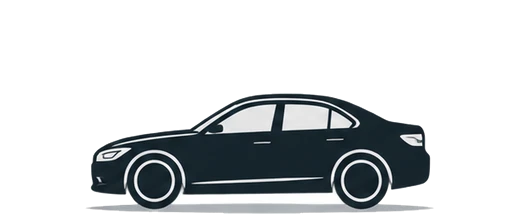
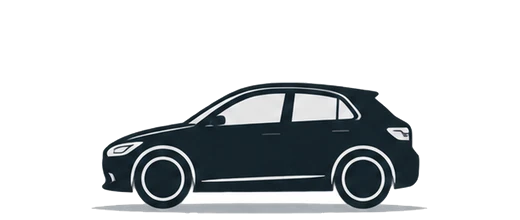
All versions (1)
Frequently asked questions about Toyota P9
Is the Toyota P9 a reliable car?
All engines of this generation have known problems, so a careful inspection before buying matters. Higher risk: 2SZ-FE, 1KR-FE.
What are the most common Toyota P9 defects?
Most often described problems: 1KR 1.0: Spun bearings from clogged oil passages; SZ 1.0-1.5 (Daihatsu): Chain jumps and valves hit pistons; 1KR 1.0: Timing chain stretches.
What to check when buying a Toyota P9?
Ask how often the oil was changed and listen for knocking from the bottom end. Listen on a cold start and read timing faults. Listen for rattle on a cold start.