

Toyota Yaris Verso P2
1999 - 2005 · mpv, hatchback
Produced
1999 - 2005
Versions
9
Engines
3
Power
55 - 78 kW
(75 - 106 hp)
Engines
Which Toyota Yaris Verso P2 engines are the safer choice and which need attention.
-
2NZ-FEMedium risk
1.3 l petrol
Popular versions
1.3 (NCP20_, NCP22_, NCP20R, NCP22R), 1.3 VVTi (NCP22_)
2 medium-risk problems
-
1NZ-FEMedium risk
1.5 l petrol
Popular versions
1.5 (NCP21_), 1.5 VVTi (NCP21_)
2 medium-risk problems
-
1ND-TVMedium risk
1.4 l diesel
Popular versions
1.4 D-4D (NLP20_, NLP22_), 1.4 D4d (NLP22_)
2 medium-risk problems
Main Toyota P2 problems
Sorted by risk. Open one to see what to check.
- Medium 1ND-TV 1.4 D-4D: Leaks between head and block (early) Affects: 1ND-TV
- Medium 1ND-TV 1.4 D-4D: Oil use through the turbo Affects: 1ND-TV
- Medium NZ 1.3-1.5: Oil consumption after 100,000 km Affects: 2NZ-FE, 1NZ-FE
- Medium NZ 1.3-1.5: Thin timing chain Affects: 2NZ-FE, 1NZ-FE
- Low 1ND-TV 1.4 D-4D: Glow plugs and rail pressure valve Affects: 1ND-TV
- Low NZ 1.3-1.5: Oil leaks and mounts Affects: 2NZ-FE, 1NZ-FE
Body styles
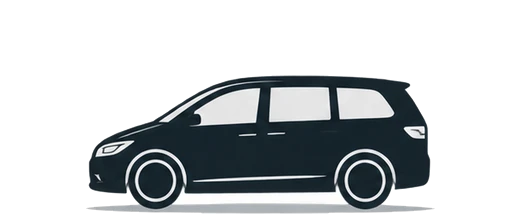
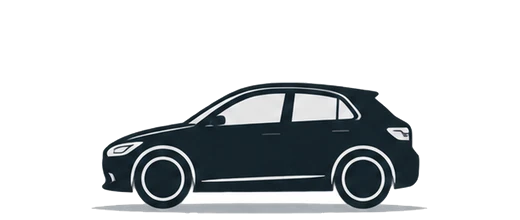
All versions (9)
| Version | Body | Fuel | Power (kW / hp) | Displacement | Drive | Produced | Engine | Risk |
|---|---|---|---|---|---|---|---|---|
| 1.4 D-4D (NLP20_, NLP22_) | MPV (_P2_) | Diesel | 55 / 75 | 1.4 l | FWD | 2000 - 2005 | 1ND-TV | |
| 1.4 D4d (NLP22_) | Hatchback (_P2_) | Diesel | 55 / 75 | 1.4 l | FWD | 2001 - 2005 | 1ND-TV | |
| 1.3 (NCP20_, NCP22_, NCP20R, NCP22R) | MPV (_P2_) | Petrol | 62 / 84 | 1.3 l | FWD | 2002 - 2005 | 2NZ-FE | |
| 1.3 VVTi (NCP22_) | Hatchback (_P2_) | Petrol | 62 / 84 | 1.3 l | FWD | 2003 - 2005 | 2NZ-FE | |
| 1.3 (NCP20_, NCP22_, NCP20R, NCP22R) | MPV (_P2_) | Petrol | 63 / 86 | 1.3 l | FWD | 1999 - 2002 | 2NZ-FE | |
| 1.3 VVTi (NCP22_) | Hatchback (_P2_) | Petrol | 63 / 86 | 1.3 l | FWD | 2000 - 2005 | 2NZ-FE | |
| 1.5 (NCP21_) | MPV (_P2_) | Petrol | 77 / 105 | 1.5 l | FWD | 2000 - 2005 | 1NZ-FE | |
| 1.5 (NCP21_) | MPV (_P2_) | Petrol | 78 / 106 | 1.5 l | FWD | 2000 - 2005 | 1NZ-FE | |
| 1.5 VVTi (NCP21_) | Hatchback (_P2_) | Petrol | 78 / 106 | 1.5 l | FWD | 2000 - 2003 | 1NZ-FE |
-
1.4 D-4D (NLP20_, NLP22_) · MPV Medium risk
- Fuel
- Diesel
- Power
- 55 kW
- Displacement
- 1.4 l
- Drive
- FWD
- Produced
- 2000 - 2005
- Engine
- 1ND-TV
-
1.4 D4d (NLP22_) · Hatchback Medium risk
- Fuel
- Diesel
- Power
- 55 kW
- Displacement
- 1.4 l
- Drive
- FWD
- Produced
- 2001 - 2005
- Engine
- 1ND-TV
-
1.3 (NCP20_, NCP22_, NCP20R, NCP22R) · MPV Medium risk
- Fuel
- Petrol
- Power
- 62 kW
- Displacement
- 1.3 l
- Drive
- FWD
- Produced
- 2002 - 2005
- Engine
- 2NZ-FE
-
1.3 VVTi (NCP22_) · Hatchback Medium risk
- Fuel
- Petrol
- Power
- 62 kW
- Displacement
- 1.3 l
- Drive
- FWD
- Produced
- 2003 - 2005
- Engine
- 2NZ-FE
-
1.3 (NCP20_, NCP22_, NCP20R, NCP22R) · MPV Medium risk
- Fuel
- Petrol
- Power
- 63 kW
- Displacement
- 1.3 l
- Drive
- FWD
- Produced
- 1999 - 2002
- Engine
- 2NZ-FE
-
1.3 VVTi (NCP22_) · Hatchback Medium risk
- Fuel
- Petrol
- Power
- 63 kW
- Displacement
- 1.3 l
- Drive
- FWD
- Produced
- 2000 - 2005
- Engine
- 2NZ-FE
-
1.5 (NCP21_) · MPV Medium risk
- Fuel
- Petrol
- Power
- 77 kW
- Displacement
- 1.5 l
- Drive
- FWD
- Produced
- 2000 - 2005
- Engine
- 1NZ-FE
-
1.5 (NCP21_) · MPV Medium risk
- Fuel
- Petrol
- Power
- 78 kW
- Displacement
- 1.5 l
- Drive
- FWD
- Produced
- 2000 - 2005
- Engine
- 1NZ-FE
-
1.5 VVTi (NCP21_) · Hatchback Medium risk
- Fuel
- Petrol
- Power
- 78 kW
- Displacement
- 1.5 l
- Drive
- FWD
- Produced
- 2000 - 2003
- Engine
- 1NZ-FE
Frequently asked questions about Toyota P2
Is the Toyota P2 a reliable car?
All engines of this generation have known problems, so a careful inspection before buying matters.
What are the most common Toyota P2 defects?
Most often described problems: 1ND-TV 1.4 D-4D: Leaks between head and block (early); 1ND-TV 1.4 D-4D: Oil use through the turbo; NZ 1.3-1.5: Oil consumption after 100,000 km.
What to check when buying a Toyota P2?
Inspect the head to block joint and ask about warranty work. Check the turbo for smoke and look for oil in the intake pipes. Ask how much oil is added between changes and check for exhaust smoke.