

Nissan Almera II
2000 - 2006 · hatchback, sedan
Produced
2000 - 2006
Versions
16
Engines
5
3 high risk
Power
60 - 100 kW
(82 - 136 hp)
Engines
Which Nissan Almera II engines are the safer choice and which need attention.
-
YD22DDTHigh risk
2.2 l diesel
Popular versions
2.2 dCi, 2.2 Di
1 high-risk problem
-
QG15DEMedium risk
1.5 l petrol
Popular versions
1.5
2 medium-risk problems
-
QG18DEMedium risk
1.8 l petrol
Popular versions
1.8
2 medium-risk problems
-
K9KHigh risk
1.5 l diesel
Popular versions
1.5 dCi
2 high-risk problems
-
YD22DDTiHigh risk
2.2 l diesel
Popular versions
2.2 dCi
1 high-risk problem
Main Nissan II problems
Sorted by risk. Open one to see what to check.
- High 1.5 dCi (K9K): Spun rod bearings Affects: K9K 722
- High 1.5 dCi (K9K): Timing belt must be changed on time Affects: K9K 722
- High 2.2/2.5 YD (YD22/YD25): Timing chain stretch Affects: YD22DDT, YD22DDTi
- Medium 1.5 dCi (K9K): Delphi injectors and pump Affects: K9K 722
- Medium 1.5-1.8 QG (QG15/16/18): Chain tensioner Affects: QG18DE, QG15DE
- Medium 1.5-1.8 QG (QG15/16/18): Oil consumption Affects: QG18DE, QG15DE
Body styles
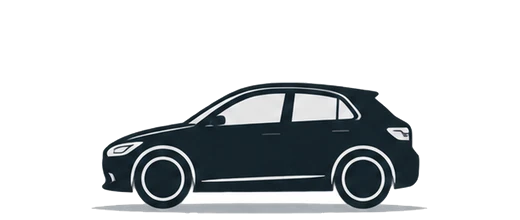
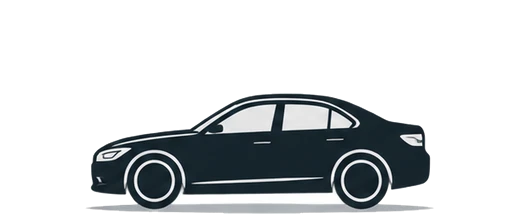
All versions (16)
| Version | Body | Fuel | Power (kW / hp) | Displacement | Drive | Produced | Engine | Risk |
|---|---|---|---|---|---|---|---|---|
| 1.5 dCi | Hatchback (N16) | Diesel | 60 / 82 | 1.5 l | FWD | 2003 - 2006 | K9K | |
| 1.5 dCi | Sedan (N16) | Diesel | 60 / 82 | 1.5 l | FWD | 2003 - 2006 | K9K | |
| 2.2 Di | Hatchback (N16) | Diesel | 81 / 110 | 2.2 l | FWD | 2000 - 2003 | YD22DDT | |
| 2.2 Di | Sedan (N16) | Diesel | 81 / 110 | 2.2 l | FWD | 2000 - 2003 | YD22DDT | |
| 2.2 dCi | Hatchback (N16) | Diesel | 82 / 112 | 2.2 l | FWD | 2003 - 2006 | YD22DDT | |
| 2.2 dCi | Sedan (N16) | Diesel | 82 / 112 | 2.2 l | FWD | 2003 - 2006 | YD22DDT | |
| 2.2 dCi | Hatchback (N16) | Diesel | 100 / 136 | 2.2 l | FWD | 2003 - 2006 | YD22DDT | |
| 2.2 dCi | Sedan (N16) | Diesel | 100 / 136 | 2.2 l | FWD | 2003 - 2006 | YD22DDTi | |
| 1.5 | Hatchback (N16) | Petrol | 66 / 90 | 1.5 l | FWD | 2000 - 2006 | QG15DE | |
| 1.5 | Sedan (N16) | Petrol | 66 / 90 | 1.5 l | FWD | 2000 - 2006 | QG15DE |
-
1.5 dCi · Hatchback High risk
- Fuel
- Diesel
- Power
- 60 kW
- Displacement
- 1.5 l
- Drive
- FWD
- Produced
- 2003 - 2006
- Engine
- K9K
-
1.5 dCi · Sedan High risk
- Fuel
- Diesel
- Power
- 60 kW
- Displacement
- 1.5 l
- Drive
- FWD
- Produced
- 2003 - 2006
- Engine
- K9K
-
2.2 Di · Hatchback High risk
- Fuel
- Diesel
- Power
- 81 kW
- Displacement
- 2.2 l
- Drive
- FWD
- Produced
- 2000 - 2003
- Engine
- YD22DDT
-
2.2 Di · Sedan High risk
- Fuel
- Diesel
- Power
- 81 kW
- Displacement
- 2.2 l
- Drive
- FWD
- Produced
- 2000 - 2003
- Engine
- YD22DDT
-
2.2 dCi · Hatchback High risk
- Fuel
- Diesel
- Power
- 82 kW
- Displacement
- 2.2 l
- Drive
- FWD
- Produced
- 2003 - 2006
- Engine
- YD22DDT
-
2.2 dCi · Sedan High risk
- Fuel
- Diesel
- Power
- 82 kW
- Displacement
- 2.2 l
- Drive
- FWD
- Produced
- 2003 - 2006
- Engine
- YD22DDT
-
2.2 dCi · Hatchback High risk
- Fuel
- Diesel
- Power
- 100 kW
- Displacement
- 2.2 l
- Drive
- FWD
- Produced
- 2003 - 2006
- Engine
- YD22DDT
-
2.2 dCi · Sedan High risk
- Fuel
- Diesel
- Power
- 100 kW
- Displacement
- 2.2 l
- Drive
- FWD
- Produced
- 2003 - 2006
- Engine
- YD22DDTi
-
1.5 · Hatchback Medium risk
- Fuel
- Petrol
- Power
- 66 kW
- Displacement
- 1.5 l
- Drive
- FWD
- Produced
- 2000 - 2006
- Engine
- QG15DE
-
1.5 · Sedan Medium risk
- Fuel
- Petrol
- Power
- 66 kW
- Displacement
- 1.5 l
- Drive
- FWD
- Produced
- 2000 - 2006
- Engine
- QG15DE
Frequently asked questions about Nissan II
Is the Nissan II a reliable car?
All engines of this generation have known problems, so a careful inspection before buying matters. Higher risk: YD22DDT, K9K, YD22DDTi.
What are the most common Nissan II defects?
Most often described problems: 1.5 dCi (K9K): Spun rod bearings; 1.5 dCi (K9K): Timing belt must be changed on time; 2.2/2.5 YD (YD22/YD25): Timing chain stretch.
What to check when buying a Nissan II?
Listen for knocking and ask about oil changes. Ask when the belt and tensioner were replaced and for the receipt. If unknown, replace them. Listen on a cold start and read faults.