

Cadillac CTS II
2007 - present · sedan, coupe, estate
Produced
2007 - present
Versions
40
Engines
7
4 high risk
Power
155 - 415 kW
(211 - 564 hp)
Engines
Which Cadillac CTS II engines are the safer choice and which need attention.
-
LLTHigh risk
3.6 l petrol
Popular versions
3.6, 3.6 AWD, 3.6 VVTi
1 high-risk problem
-
LF1High risk
3.0 l petrol
Popular versions
3.0, 3.0 AWD
1 high-risk problem
-
LFXHigh risk
3.6 l petrol/ethanol
Popular versions
3.6 FLEX, 3.6 FLEX AWD, 3.6 Flexfuel
1 high-risk problem
-
LSALow risk
6.2 l petrol
Popular versions
6.2, 6.2 V
Minor problems only
-
LFWLow risk
3.0 l petrol
Popular versions
3.0 AWD
Minor problems only
-
LY7High risk
3.6 l petrol
Popular versions
3.6, 3.6 AWD
1 high-risk problem
-
LP1Low risk
2.8 l petrol
Popular versions
2.8
Minor problems only
Main Cadillac II problems
Sorted by risk. Open one to see what to check.
- High 3.0 V6 LF1: Pump and fuel in oil Affects: LF1
- High 3.6 V6 (LFX/LLT/LY7): Chains stretch Affects: LY7, LLT, LFX
- Medium 3.6 V6 (LFX/LLT/LY7): Radiators and pump Affects: LY7, LLT, LFX
- Low 3.0 V6 LF1: Carbon on intake valves Affects: LF1
- Low 3.6 V6 (LFX/LLT/LY7): Carbon on intake valves Affects: LY7, LLT, LFX
- Low Petrol engine: Ignition coils and plugs Affects: LP1, LFW, LSA
Body styles
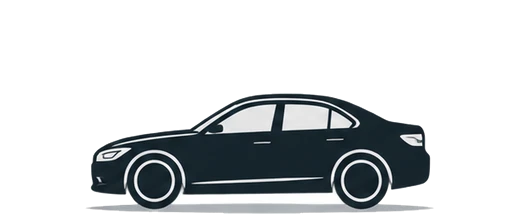
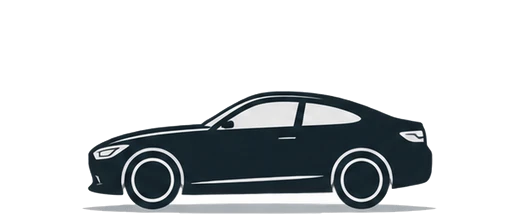
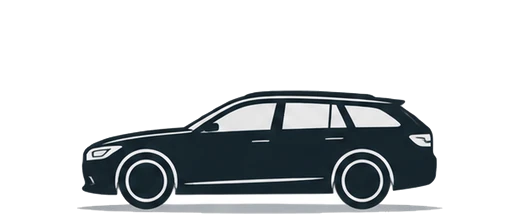
All versions (40)
| Version | Body | Fuel | Power (kW / hp) | Displacement | Drive | Produced | Engine | Risk |
|---|---|---|---|---|---|---|---|---|
| 2.8 | Sedan (07-0) | Petrol | 155 / 211 | 2.8 l | RWD | 2008 - 2009 | LP1 | |
| 3.6 | Sedan (07-0) | Petrol | 196 / 266 | 3.6 l | RWD | 2008 - 2010 | LY7 | |
| 3.6 AWD | Sedan (07-0) | Petrol | 196 / 266 | 3.6 l | AWD | 2007 - 2009 | LY7 | |
| 3.6 AWD | Sedan (07-0) | Petrol | 199 / 271 | 3.6 l | AWD | 2010 - 2013 | LLT | |
| 3.0 | Coupe (08-0) | Petrol | 201 / 273 | 3.0 l | RWD | 2010 - 2013 | LF1 | |
| 3.0 AWD | Sedan (07-0) | Petrol | 201 / 273 | 3.0 l | AWD | 2009 - 2013 | LF1, LFW | |
| 3.0 AWD | Coupe (08-0) | Petrol | 201 / 273 | 3.0 l | AWD | 2010 - 2013 | LF1 | |
| 3.0 AWD | Estate (08-0) | Petrol | 201 / 273 | 3.0 l | AWD | 2009 - 2011 | LF1 | |
| 3.0 AWD | Estate (13-0) | Petrol | 201 / 273 | 3.0 l | AWD | 2012 - 2014 | LFW | |
| 3.0 | Sedan (07-0) | Petrol | 203 / 276 | 3.0 l | RWD | 2008 - present | LF1 |
-
2.8 · Sedan Low risk
- Fuel
- Petrol
- Power
- 155 kW
- Displacement
- 2.8 l
- Drive
- RWD
- Produced
- 2008 - 2009
- Engine
- LP1
-
3.6 · Sedan High risk
- Fuel
- Petrol
- Power
- 196 kW
- Displacement
- 3.6 l
- Drive
- RWD
- Produced
- 2008 - 2010
- Engine
- LY7
-
3.6 AWD · Sedan High risk
- Fuel
- Petrol
- Power
- 196 kW
- Displacement
- 3.6 l
- Drive
- AWD
- Produced
- 2007 - 2009
- Engine
- LY7
-
3.6 AWD · Sedan High risk
- Fuel
- Petrol
- Power
- 199 kW
- Displacement
- 3.6 l
- Drive
- AWD
- Produced
- 2010 - 2013
- Engine
- LLT
-
3.0 · Coupe High risk
- Fuel
- Petrol
- Power
- 201 kW
- Displacement
- 3.0 l
- Drive
- RWD
- Produced
- 2010 - 2013
- Engine
- LF1
-
3.0 AWD · Sedan High risk
- Fuel
- Petrol
- Power
- 201 kW
- Displacement
- 3.0 l
- Drive
- AWD
- Produced
- 2009 - 2013
-
3.0 AWD · Coupe High risk
- Fuel
- Petrol
- Power
- 201 kW
- Displacement
- 3.0 l
- Drive
- AWD
- Produced
- 2010 - 2013
- Engine
- LF1
-
3.0 AWD · Estate High risk
- Fuel
- Petrol
- Power
- 201 kW
- Displacement
- 3.0 l
- Drive
- AWD
- Produced
- 2009 - 2011
- Engine
- LF1
-
3.0 AWD · Estate Low risk
- Fuel
- Petrol
- Power
- 201 kW
- Displacement
- 3.0 l
- Drive
- AWD
- Produced
- 2012 - 2014
- Engine
- LFW
-
3.0 · Sedan High risk
- Fuel
- Petrol
- Power
- 203 kW
- Displacement
- 3.0 l
- Drive
- RWD
- Produced
- 2008 - present
- Engine
- LF1
Frequently asked questions about Cadillac II
Is the Cadillac II a reliable car?
The safer choice is engines without serious known problems: LSA, LFW, LP1. Higher risk: LLT, LF1, LFX, LY7.
What are the most common Cadillac II defects?
Most often described problems: 3.0 V6 LF1: Pump and fuel in oil; 3.6 V6 (LFX/LLT/LY7): Chains stretch; 3.6 V6 (LFX/LLT/LY7): Radiators and pump.
What to check when buying a Cadillac II?
Check the oil level and smell, and the cooling. Listen on a cold start and read timing faults. Check the coolant and radiators.